What is the danger?
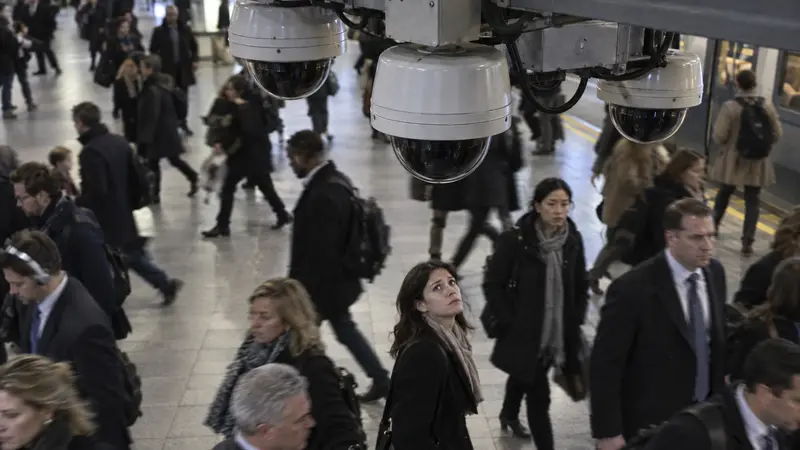
AI makes it trivial to recognise faces in crowds, link scattered data about a person, and infer sensitive facts — health, sexuality, politics — from ordinary data. At the same time, people pour private information into chatbots without knowing where it goes.
How it happens
- Facial recognition built on billions of photos scraped from the internet.
- Chatbot conversations stored, reviewed or used to train models.
- AI that predicts private traits from purchases, location or writing style.
- Governments and companies combining cameras, phones and AI into tracking systems.
Real cases
Clearview AI built a face database from billions of scraped online photos; the Dutch data-protection authority fined it €30.5 million in 2024.
Source: Dutch Data Protection Authority ↗Samsung engineers pasted confidential source code into ChatGPT in 2023, leading the company to restrict employee use of generative AI.
Source: Bloomberg ↗
Warning signs
- Apps asking for camera, microphone or contacts access they don’t need.
- “Free” AI services with unclear data policies.
- Ads that seem to know things you only told a chatbot.
What you can do
- Never paste passwords, medical records, ID numbers or secrets into chatbots.
- Turn off “use my data for training” where the setting exists.
- Limit public photos of your face and your children.
- Support strong data-protection laws and facial-recognition limits.
Frequently asked questions
What is the danger of privacy in AI?
AI makes it trivial to recognise faces in crowds, link scattered data about a person, and infer sensitive facts — health, sexuality, politics — from ordinary data. At the same time, people pour private information into chatbots without knowing where it goes.
How does it happen?
Facial recognition built on billions of photos scraped from the internet. Chatbot conversations stored, reviewed or used to train models. AI that predicts private traits from purchases, location or writing style. Governments and companies combining cameras, phones and AI into tracking systems.
How can I protect myself?
Never paste passwords, medical records, ID numbers or secrets into chatbots. Turn off “use my data for training” where the setting exists. Limit public photos of your face and your children. Support strong data-protection laws and facial-recognition limits.
Latest updates on privacy
No updates in this category yet — check back tomorrow.
What do you think?
Seen this danger up close? Worried about it? Share it with the community.
Share your thoughts on privacy